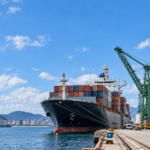
The Panama Canal Authority (ACP) has postponed indefinitely the planned reduction in the maximum allowable draft for Neopanamax vessels, which had been scheduled to take effect on October 1. The maximum allowable draft will therefore remain at 48 feet (14.63 meters), instead of being reduced to 47.5 feet (14.48 meters). The decision follows an improvement in water levels at the reservoirs supplying the waterway.
According to the ACP, Gatun Lake, the canal’s main reservoir, stood at approximately 25.6 meters on the morning of September 5, around 1.5 meters below its maximum capacity level of 27.1 meters. This followed a decline to 25.5 meters on August 26, with partial recovery over the following days.
Alhajuela Lake, the system’s second reservoir, stood at 72.4 meters, approximately 3.8 meters below the level considered favorable. Nevertheless, between May and August, cumulative rainfall across the canal’s watershed was 34% below the historical average, while water flows were 44% below normal levels.
Daily Transit Restrictions Remain in Place
Despite the relief regarding vessel draft restrictions, the ACP is maintaining the reduction in the number of daily transit slots.
Daily transit capacity was reduced from 36 to 34 vessels per day on September 4 and is expected to decline further to 32 daily transits from September 15, including a maximum of nine daily transit slots for Neopanamax vessels.
The ACP stated that it will “promptly notify any future adjustments”, based on reservoir levels and climate forecasts for the watershed.
Impact on Transit Costs and Vessel Scheduling
The limited availability of transit slots continues to keep Panama Canal transit costs elevated. In August, SK Gas paid US$5.3 million for a guaranteed transit slot for an LPG carrier, representing a record-high amount. Meanwhile, vessels without advance reservations faced waiting times of approximately 11 days.